
Hydration and POTS How IV Infusions Helped Me Feel Better

Some days with POTS, standing up can feel like asking your body to climb a hill it cannot see. A quick trip to the kitchen may bring dizziness, a racing heart, shaky legs, brain fog, nausea, or that heavy “I need to sit down now” feeling.
For me, hydration has been one of the biggest pieces of managing those symptoms. It has not been a cure. POTS is more complex than simply drinking more water. But when my fluid levels are low, my body lets me know fast. My heart rate jumps higher, my fatigue gets worse, and simple tasks feel harder than they should.
IV infusions became part of my care when regular drinking was not enough. They helped me feel more stable, more present, and less like I was constantly trying to catch up. This post shares what I have learned from that experience, along with practical ways to support hydration day to day.
This is for informational purposes only and is not medical advice. POTS care should be guided by a qualified health care professional, especially when it involves salt intake, IV fluids, medications, or other treatments.

Why hydration matters so much with POTS
POTS, or Postural Orthostatic Tachycardia Syndrome, affects how the body responds to standing. Many people with POTS have trouble maintaining steady blood flow when upright. The heart may beat faster to compensate, which can lead to symptoms like:
Lightheadedness
Rapid heart rate
Weakness
Fatigue
Brain fog
Nausea
Headaches
Heat intolerance
Exercise intolerance
Hydration can help because fluid supports blood volume. When the body has enough fluid, circulation may work more smoothly. For some people with POTS, increasing fluids and electrolytes, especially sodium when recommended by a clinician, can reduce symptom intensity.
That does not mean water alone solves everything. I learned that the hard way. I used to think, “I drank water today, so I should be fine.” But plain water sometimes went right through me. I would still feel depleted, dizzy, and shaky.
What helped more was thinking about hydration as a system:
Fluids
Electrolytes
Timing
Food
Rest
Temperature control
Medical support when needed
Once I started looking at all of those pieces together, my hydration habits became more useful.
What dehydration feels like for me with POTS
Dehydration does not always feel like simple thirst. In my experience, it can sneak in as a full-body shift.
My warning signs often include a dry mouth, a headache, heavier fatigue, and a heart rate that climbs faster than usual. I may feel more sensitive to heat. Standing in line gets harder. My thoughts slow down. Sometimes my body feels shaky in a way that is difficult to explain unless you have felt it too.
On low-hydration days, I notice that my “standing budget” shrinks. I can do less before symptoms start. Chores take longer. Showering can feel like a workout. Even sitting upright may feel draining.
That pattern helped me connect the dots. Hydration was not just about preventing thirst. It was about giving my nervous system and circulatory system more support.
How IV infusions helped me feel better
IV infusions were not the first thing I tried. I started with the basics, drinking more fluids, adding electrolytes, adjusting routines, and paying closer attention to symptoms. Those steps helped, but there were times when I still could not keep up.
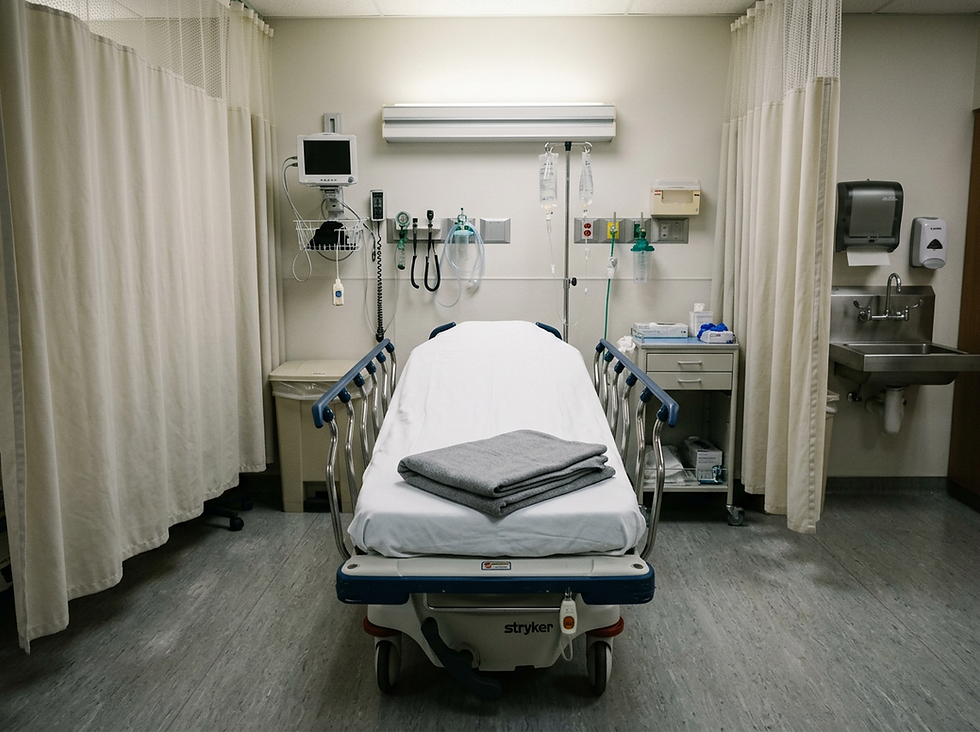
When my health care provider and I discussed IV fluids, the goal was simple: improve hydration in a more direct way and see whether that reduced symptoms. IV fluids go into the bloodstream through a vein, so they do not depend on the digestive system in the same way oral fluids do.
The first time I received an infusion, I was nervous. I wondered if it would actually make a difference. I also worried about the needle, the time commitment, and whether needing IV hydration meant I had somehow failed at managing things on my own.
I had not failed. My body needed support.
After some infusions, I noticed a clear difference. My heart rate felt calmer when I stood up. My head felt less foggy. I had more energy to do small things without immediately crashing. I felt less dried out from the inside, which is the best way I can describe it.
The improvement was not always dramatic or instant. Some days the change was subtle. Other days, it felt like my body finally had enough fluid to function instead of constantly running on empty.
The biggest benefit was stability. IV hydration gave me a steadier baseline, especially during flares, after heat exposure, during periods of poor intake, or when symptoms made it hard to drink enough.

IV fluids are helpful for some people, but they are not casual hydration
Because IV infusions helped me, I understand why they can sound appealing. But they are still a medical treatment. They come with real considerations, including vein irritation, infection risk, fluid balance concerns, and the need for proper monitoring.
For some people, IV fluids are used only during flares or specific situations. Others may receive them on a schedule under medical supervision. Some people may not be good candidates at all.
That is why it matters to talk with a clinician who understands POTS or dysautonomia. A care plan should take into account blood pressure, heart rate patterns, kidney health, medications, sodium needs, other diagnoses, and personal risk factors.
I also learned that IV infusions work best when they are part of a broader plan. They did not replace daily hydration habits for me. They gave me support when my body needed more than I could manage by mouth.
The benefits I notice when I stay hydrated
When my hydration is steady, I tend to feel more able to participate in my own life. Again, it does not erase POTS. But it lowers the volume on some symptoms.
The benefits I notice most include:
Less intense dizziness
I still have lightheaded moments, but they are often less severe when I am well hydrated.
A calmer heart rate
My heart may still rise when I stand, but dehydration makes it much worse. Better hydration can make those spikes feel less aggressive.
Clearer thinking
Brain fog is one of the most frustrating symptoms for me. Fluids and electrolytes do not fix every foggy day, but they help me avoid making it worse.
Better temperature tolerance
Heat can drain me quickly. Staying hydrated before I get overheated gives me a better chance of coping.
More energy for basic tasks
Hydration helps me conserve energy. On better days, that may mean making a meal, folding laundry, taking a short walk, or spending time with someone I care about.
Tips that help me drink enough fluids
Drinking more sounds simple until symptoms, nausea, fatigue, or forgetfulness get in the way. I have had to make hydration easier, more visible, and less dependent on willpower.
Here are the habits that help most.
Start early in the day
If I wait until afternoon to hydrate, I feel like I am chasing symptoms. Starting in the morning works better. I keep water or an electrolyte drink near my bed so I do not have to stand up and search for it.
Even a few steady sips before getting up can make the transition to standing feel less harsh.
Use electrolytes when appropriate
For many people with POTS, electrolytes are a key part of hydration. Sodium can help the body hold onto fluid, but the right amount varies. Some people are told to increase salt. Others need caution due to blood pressure, kidney issues, or other conditions.
I use electrolyte drinks because plain water does not always help me enough. I also pay attention to how my body responds. If something makes me nauseated or does not sit well, I adjust.
Make drinks easy to reach
I keep drinks in the places where I spend the most time. Bedside table. Kitchen counter. Car cup holder. Couch area.
When fluids are visible, I drink more. When they are hidden in the fridge, I forget.
Change the temperature and flavor
Cold drinks are easier for me when I am overheated. Warm drinks are easier when my stomach feels unsettled. Flavor helps when water feels unappealing.
Options that work well for me include:
Ice water with lemon
Electrolyte drinks
Herbal tea
Broth
Coconut water, if tolerated
Diluted juice with added electrolytes when recommended
The best drink is often the one I can actually drink.
Pair fluids with daily routines
I connect hydration with things I already do. Medication time. Meals. Getting ready. Watching a show. Sitting down after a shower.
This removes some of the mental effort. Instead of thinking, “Have I had enough today?” I build fluids into the rhythm of the day.

Alternative ways to support hydration
Oral fluids and IV infusions are not the only hydration tools. Some alternatives may help, depending on symptoms and medical guidance.
Broths and salty foods
Broth can be soothing, especially when nausea makes large drinks difficult. Salty snacks may also help some people increase sodium. Common options include pretzels, crackers, pickles, soup, or salted rice cakes.
This should match your care plan. More salt is not right for everyone.
Hydrating foods
Foods with high water content can add gentle support. Watermelon, oranges, cucumbers, grapes, soups, smoothies, and yogurt can all contribute to fluid intake.
Food also gives the body something to work with. I often feel better when I pair fluids with a small snack instead of drinking a large amount on an empty stomach.
Smaller amounts more often
Chugging can make me feel worse, especially if I am nauseated. Sipping throughout the day is easier on my body.
A straw bottle helps because it takes less effort. That may sound minor, but on low-energy days, small barriers matter.
Compression and positioning
Hydration works better for me when I combine it with other POTS supports. Compression garments, elevating my legs, and moving slowly from lying to sitting to standing can all help reduce the strain of being upright.
These do not replace fluids, but they support the same goal: helping blood circulate more effectively.
Oral rehydration solutions
Oral rehydration solutions are designed to help the body absorb fluids more effectively by combining water, salts, and sugar in specific amounts. Some people use commercial products. Others ask their clinician about appropriate homemade options.
They can be especially useful after sweating, illness, poor intake, or a flare, but people with medical restrictions should ask first.
Building a hydration plan that feels realistic
A hydration plan should fit real life. It should work on good days and bad days.
For me, that means having a basic plan and a flare plan.
My basic plan includes steady fluids, electrolytes, salty foods when appropriate, and keeping drinks nearby. My flare plan includes more rest, easier-to-drink options, cooling strategies, and contacting my care team if symptoms become concerning.
A simple tracking method can also help. I do not always track every ounce, but I do pay attention to patterns. If symptoms rise after a low-fluid morning, that tells me something. If IV infusions help after several rough days, that tells me something too.
Helpful things to track include:
Approximate fluid intake
Electrolyte use
Salt intake, if recommended
Heart rate changes
Dizziness or fainting symptoms
Heat exposure
Menstrual cycle changes, if relevant
Illness, stress, or poor sleep
Response to IV fluids, if part of care
Tracking should not become another source of stress. The goal is to notice patterns, not create a perfect record.

When to ask for more help
Hydration struggles can become serious. It is worth reaching out to a health care professional if drinking enough feels impossible, symptoms are worsening, fainting increases, vomiting or diarrhea prevents fluid intake, or dehydration signs appear.
Possible signs of dehydration can include very dark urine, low urine output, dry mouth, worsening dizziness, confusion, rapid heartbeat, or feeling unusually weak.
For POTS, it may also be time to revisit the care plan if symptoms are interfering with basic daily life despite consistent fluids and electrolytes. There may be other tools to discuss, including medication, compression, physical therapy, nutrition changes, or supervised IV hydration.
No one should have to figure this out alone.
What I wish I had known sooner
I wish I had known that needing help with hydration does not mean I am doing something wrong. POTS can make basic body functions feel complicated. Drinking water is easy advice to give, but living with fluid-sensitive symptoms is much harder than that.
IV infusions helped me feel better because they gave my body support it could not always get through drinking alone. They improved my hydration levels during difficult stretches and helped ease symptoms that were limiting my day. They were not magic, and they were not the whole answer. But they became a meaningful part of my toolkit.
If hydration feels like a constant battle, start with compassion. Then start small. Keep a drink within reach. Ask about electrolytes. Notice what helps. Talk with a clinician before making major changes, especially with salt or IV fluids.
Living with POTS often means learning your body’s signals in detail. Hydration is one of those signals for me. When I listen earlier, support my body sooner, and accept help when I need it, I give myself a better chance at steadier days.


Comments